
Trump Should End the FDA’s 25-Year Cover-Up on the Abortion Pill
By: Tim Chapman and Marc Wheat, originally published February 14, 2026, The National Review
Mifepristone has not gotten safer; the FDA has just gotten more political.
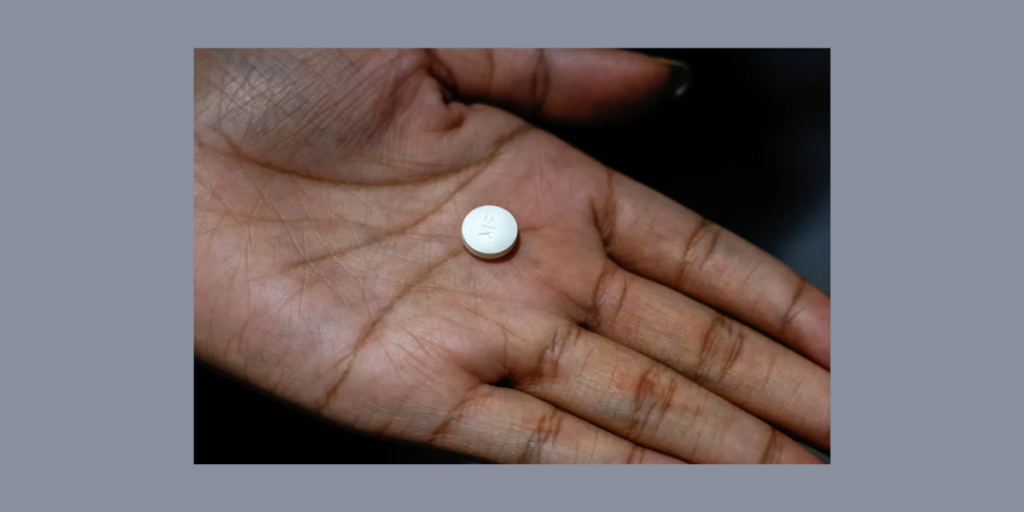
In 2000, the Food and Drug Administration (FDA) approved mifepristone, a drug used to end the lives of unborn children and one that has proven unusually dangerous for the women who take it. For a quarter of a century, the FDA has not answered for that decision. Instead, it has relied on legal delay and bureaucratic maneuvering to avoid accountability. The Trump administration now has an opportunity — and a responsibility — to end that cover-up, restore basic medical safeguards, and hold the agency to account.
When the agency receives a new drug application, it is charged with approving only those with benefits that exceed risks. And if that goal requires specific safety rules in the form of a Risk Evaluation and Mitigation Strategy, or REMS, the FDA is supposed to impose it. The FDA found that it could not approve mifepristone through its ordinary evaluation process, so it used a fast-track procedure reserved for drugs to treat life-threatening illnesses, which employs more relaxed standards. Because the drug proved so dangerous, the FDA kept in place, for more than a decade, safety rules much stricter than for most other drugs.
But when the Obama and Biden administrations vowed to make all abortions more accessible, the FDA did as it was told and began dropping requirements for in-person medical visits and reporting most medical complications. It even approved getting abortion pills by mail without seeing a doctor at all. Mifepristone did not get safer; the FDA just got more political.
Doctors and medical associations fought for years to get the FDA back to making decisions based on evidence rather than ideology. Last year, the Supreme Court  stopped their litigation for procedural reasons but did not approve the FDA’s conduct. It merely held that those particular plaintiffs lacked standing. In the process, however, the litigation exposed the extraordinary shortcuts taken in approving and deregulating mifepristone, as well as the agency’s long-standing resistance to meaningful oversight. And the evidence for mifepristone’s harm to women is now a matter of public record.
The FDA has been bobbing and weaving for decades, finding one strategy after another to avoid accountability either within the executive branch or the courts. In a recent amicus brief, Advancing American Freedom, where we work, warned that federal agencies increasingly use delay as a litigation strategy. The FDA’s record with mifepristone — in which it stonewalled judicial review for nearly 6,000 days — is a textbook example.
Independent analysis by the Ethics and Public Policy Center found that nearly 11 percent of women experienced a serious adverse medical event after taking mifepristone — 20 times higher than the rate reported on the FDA label. During his confirmation process, Health and Human Services Secretary Robert F. Kennedy Jr. promised senators that he would take a hard look at mifepristone’s safety; a year later, nothing has happened.
Now, states are stepping in. Louisiana and other states have brought a new lawsuit challenging the FDA’s removal of the in-person dispensing requirement, which has fueled a boom in mail-order abortion. Nationwide, nearly two-thirds of abortions today are now caused by drugs rather than performed by surgery. Doctors in pro-abortion states are sending thousands of abortion pills into pro-life states, undermining their ability to enforce their own laws. One of the plaintiffs in Louisiana’s suit is a young woman who was coerced by her boyfriend into taking abortion pills obtained by mail from out of state.
Rather than allowing the case to proceed, the Trump administration has asked the court to put it on hold — again. The FDA claims it needs more time to consider whether it might revisit its own decision, even as drug manufacturers themselves have made clear there is no scientific evidence supporting an in-person dispensing requirement for mifepristone. It is even fighting us in a Freedom of Information Act lawsuit over mifepristone documents that Congress requested but never received. Enough is enough. Congress generally expects the FDA to act on proposed changes to drug safety restrictions within six months. The agency has already exceeded that timeframe multiple times over. An open-ended delay protects bureaucrats and, in the case of mifepristone, continues to harm women.
Politicized medicine hurts everyone, erodes trust, and leaves the most vulnerable without a voice. The FDA was never meant to function as an ideological actor insulated from judicial review and democratic accountability.
The Trump administration did not create this problem, but it can end it. By opposing further delay and restoring commonsense safeguards, it can prevent further harm to women, families, and the rule of law.
Image: National Review-Evelyn Hockstein/Reuters.
Tim Chapman is the president of Advancing American Freedom, the conservative advocacy group founded by former Vice President Mike Pence.
Marc Wheat is the group’s general counsel.