
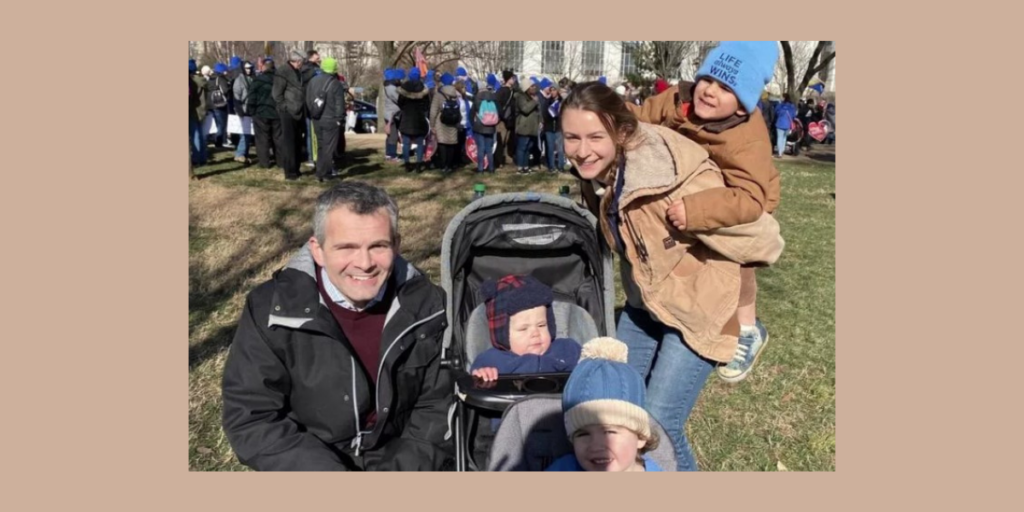
Ryan Anderson: The March for Life Is Needed ‘to Rejuvenate the Pro-Life Grassroots’
By: Zelda Caldwell, originally published January 22, 2026, National Catholic Register
Since 1974, demonstrators at the annual March for Life have gathered in the nation’s capital to call on legislators to defend the unborn and to urge the U.S. Supreme Court to overturn Roe v. Wade. Now, more than three years after Roe was overturned, the march continues — but it is far from a victory lap.
After decades of decline, the abortion rate is on the rise again, the pro-life side has suffered a series of losses at the state level, and President Donald Trump — whose appointments to the Supreme Court made Roe’s overturning possible — has shown himself to be decidedly politically pragmatic when it comes to abortion. He has urged Republicans to be “flexible” on the Hyde Amendment and failed to restrict the abortion pill, which today accounts for the majority of abortions in the United States.
One the eve of the 53rd March for Life, the Register interviewed Ryan Anderson, president of the Ethics and Public Policy Institute, about where the pro-life movement stands today. One of the nation’s leading thinkers on human dignity and the right to life, Anderson is the author or co-author of five books, including Tearing Us Apart: How Abortion Harms Everything and Solves Nothing.
President Donald Trump has faced criticism from pro-life advocates for not using all the tools at his disposable to protect the unborn. What should the movement’s approach be for the remainder of his administration?
The single most important thing President Trump could do to advance the pro-life cause and protect women would be to reinstate the in-person doctor-visit requirement on chemical abortion that President Biden’s FDA eliminated using the COVID emergency as an excuse. Online, mail-order abortion pills pose significant risks to women’s health and safety, as well as their autonomy, as we have seen multiple tragic cases of coerced abortions. They also undermine state laws when an abortionist in California can mail abortion pills into pro-life states.
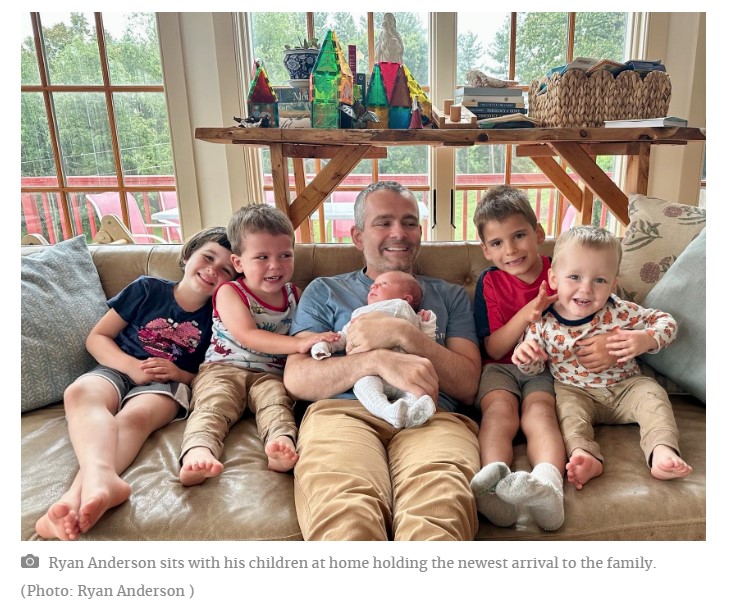
What can the pro-life movement do to maintain its leverage over politicians and candidates running for office at the state level?
Remind politicians that they serve justice and that pro-life voters are key to any successful campaign. Those who refuse to defend the unborn should be primaried.
The pro-life movement has lost almost every ballot initiative since Roe was overturned. Should pro-life activists put their efforts into supporting national legislation outlawing abortion?
Incremental protections should be enacted at the federal level. Start with returning the in-person doctor-visit requirement. Not only will this protect the health, safety and autonomy of women, but it will also ensure that state abortion laws are not violated by abortionists from out of state.
In 2024, you wrote an article for First Things in which you proposed a way forward for the pro-life movement after Dobbs, noting that public opinion had shifted drastically in favor of abortion in the last decade. Even Christians, you wrote, see abortion as emergency contraception and are hesitant to want to make it unavailable. Do you see any signs of progress in your proposal to launch the sort of pro-marriage or pro-chastity movement that you said is needed?
Unfortunately, not much. Part of the challenge here is for civil-society leaders and donors to be willing to play the long game in cultural renewal. And it’s just more difficult work.
Since you wrote that article, there are reports of an incipient spiritual revival taking place in this country, especially among the young. Does this make you hopeful that this would usher in a pro-life revival?
There are encouraging signs of renewal, but the data still shows significant headwinds and structural challenges when it comes to younger generations and faith and younger generations and pro-life convictions. This just highlights the importance of continued evangelization and religious formation.
How important is it that the GOP candidate for 2028 is strongly pro-life? What needs to happen to make sure that happens?
It is essential. Pro-life citizens need to engage in the primary process. Endorsements and support should only follow pro-life records and commitments.
How relevant is the March for Life today?
Quite relevant, to rejuvenate the pro-life grassroots and remind the D.C. elite of where the people stand.
Zelda Caldwell is senior writer at the National Catholic Register based in Washington, D.C.
Ryan Anderson is president of the Ethics and Public Policy Center.
Images: Ryan Anderson-National Catholic Register.